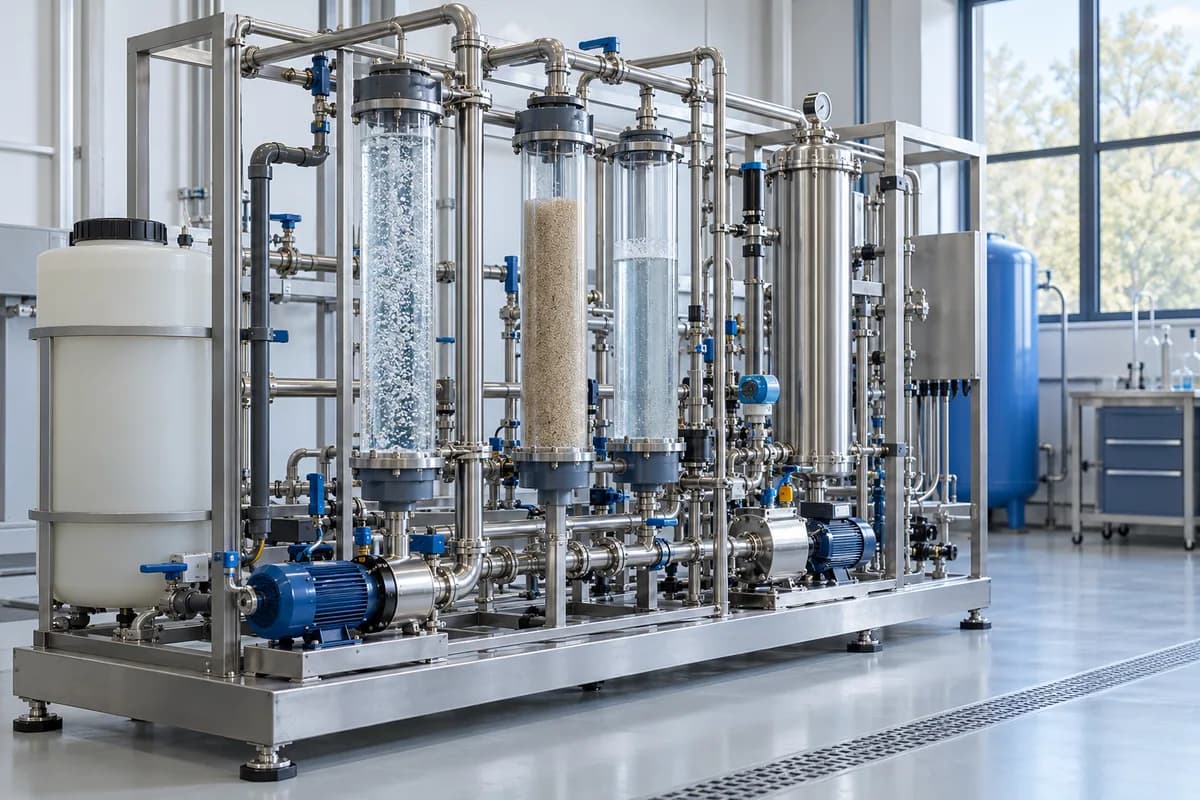
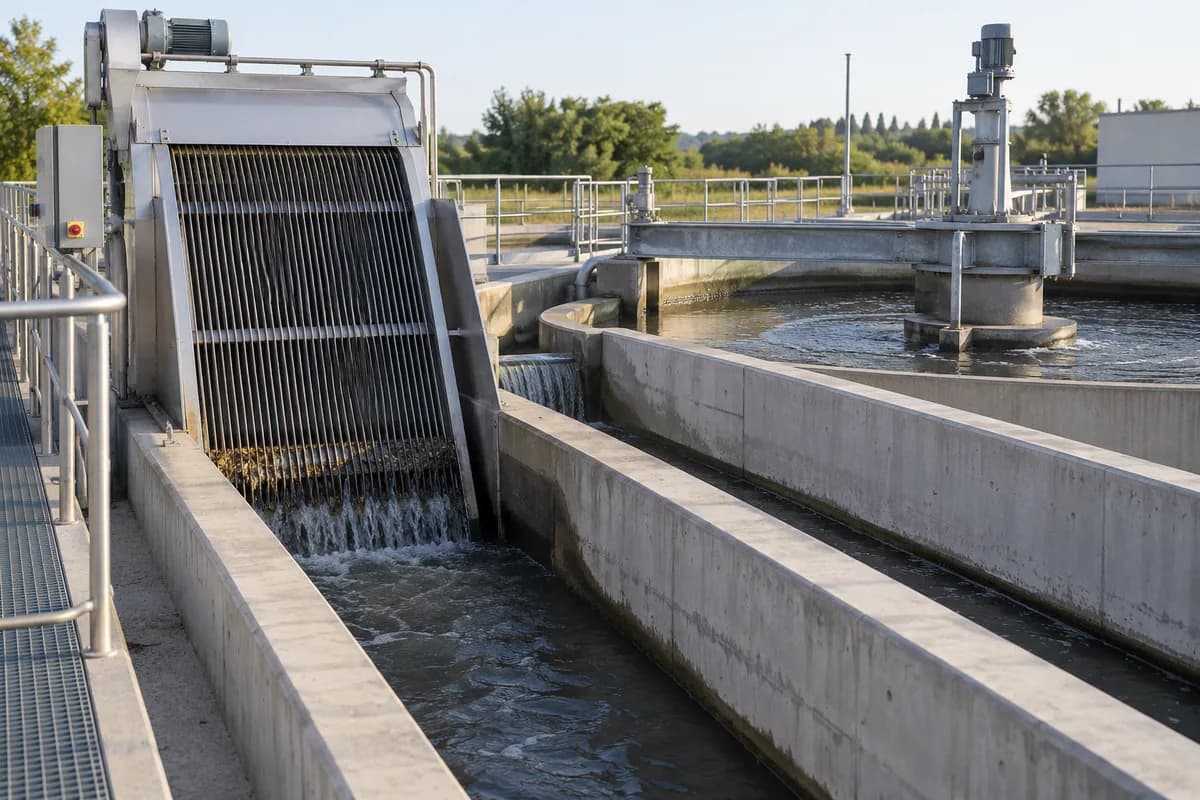
 Primary Treatment
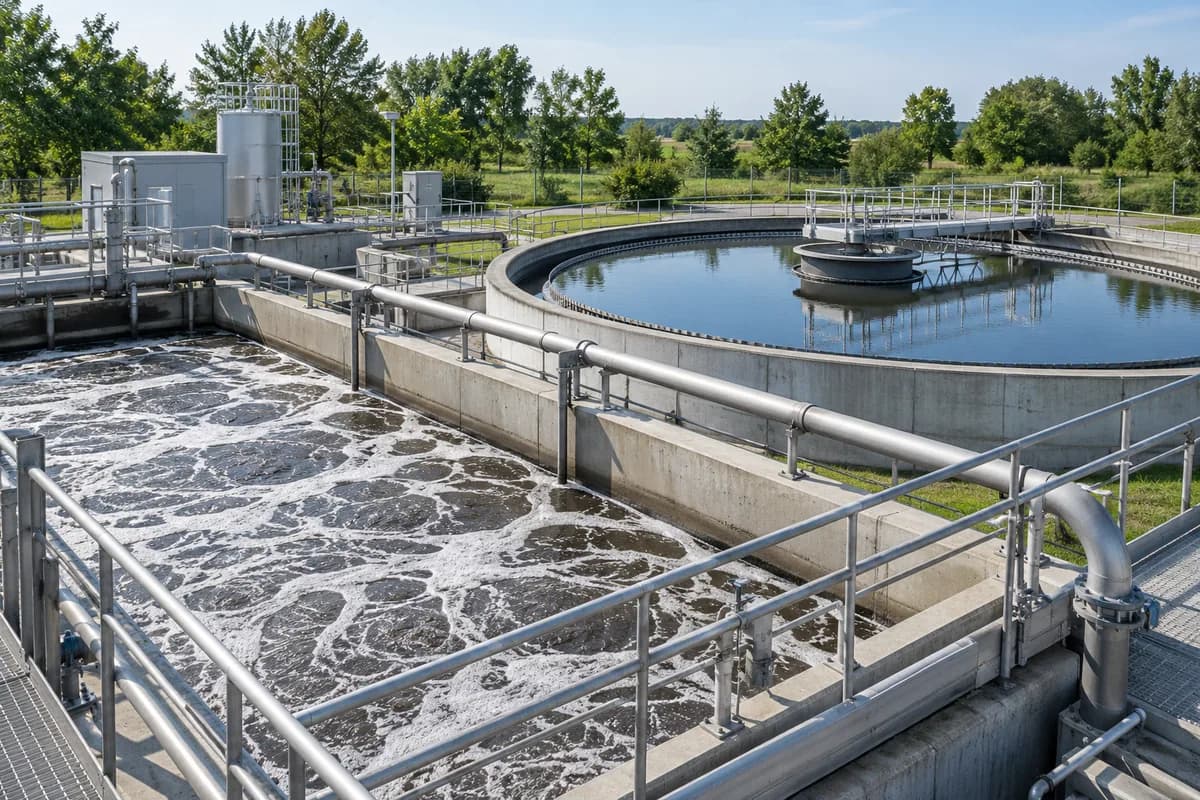 Sewage Treatment (STP)
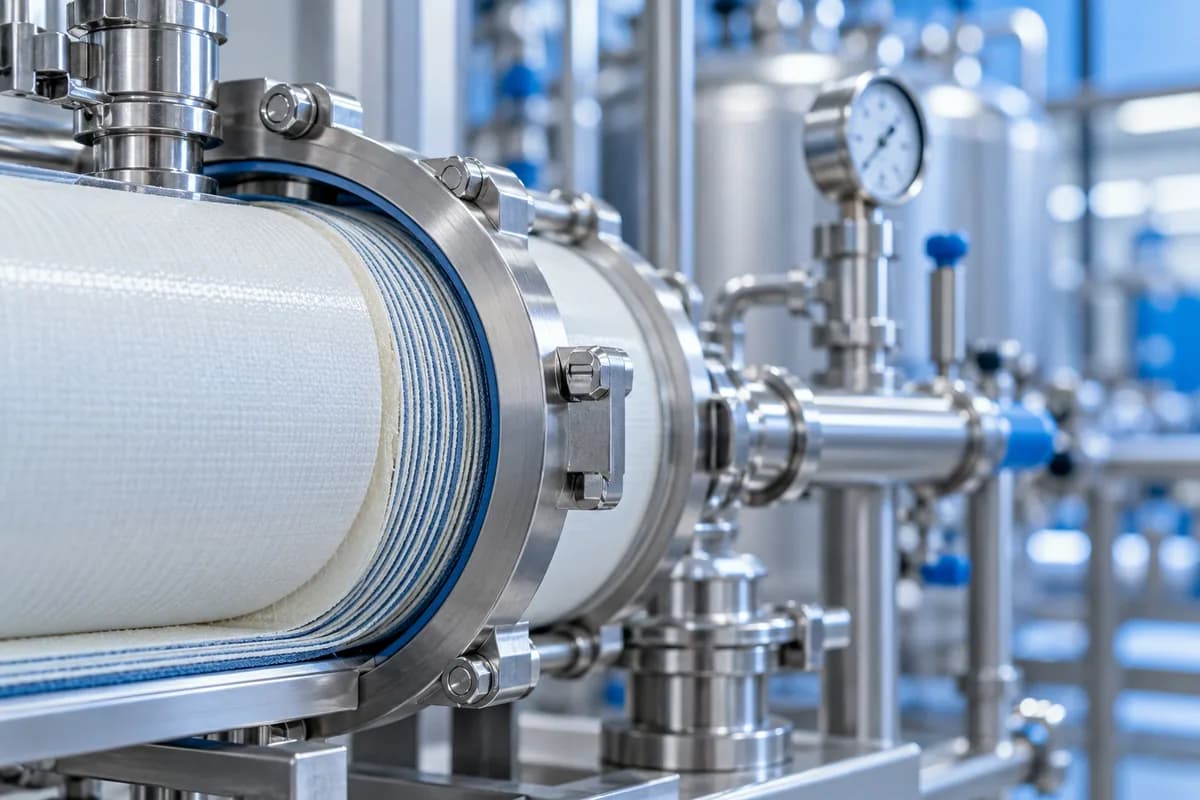
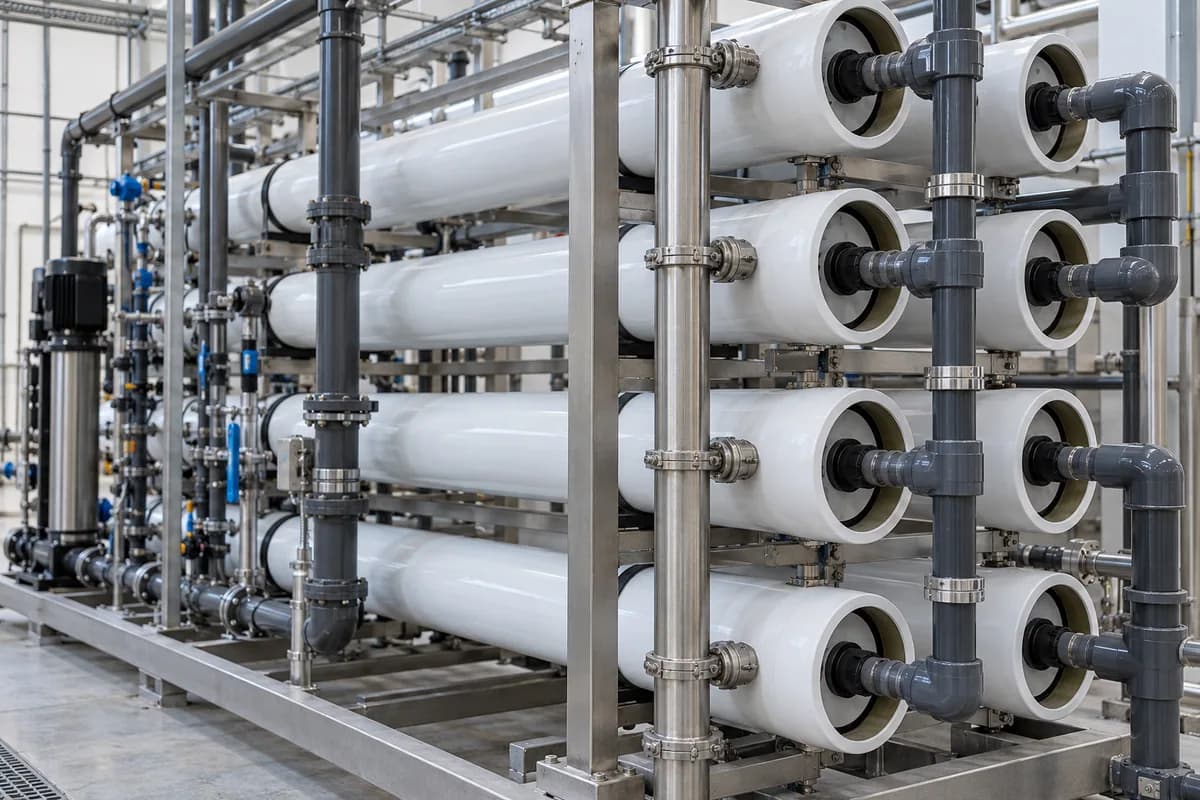 Membrane Technology
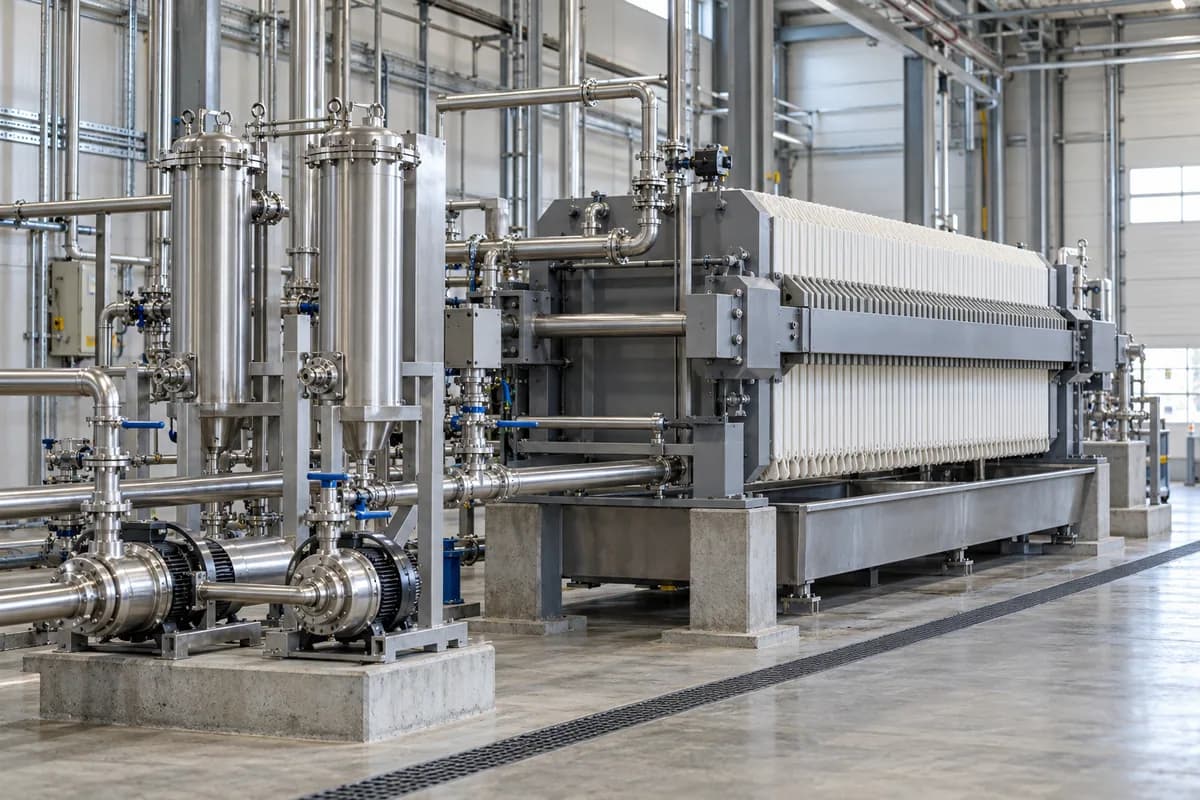 Filtration Technologies
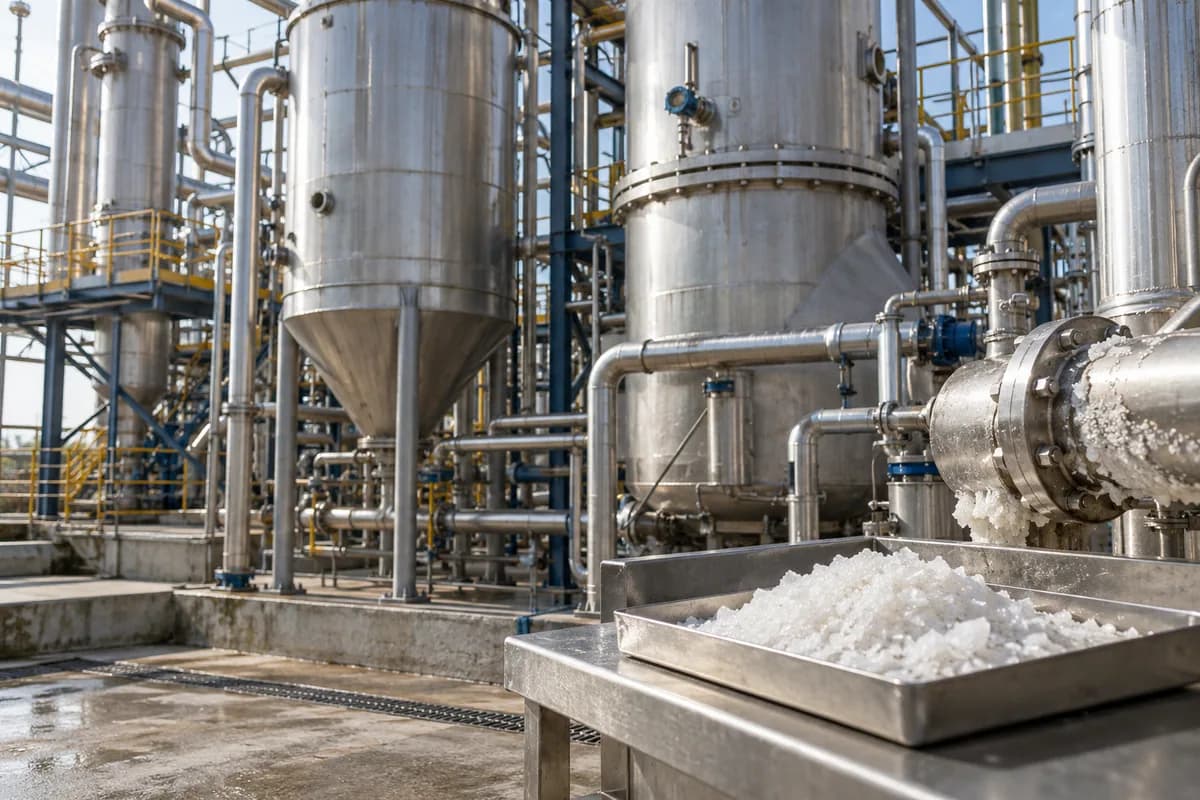 Zero Liquid Discharge
Understand the stream
Gather process context, flow, water-quality data and the intended outcome.
PROCESS ENGINEERING · SEPARATION SYSTEMS
Fluid Sep Technologies works across industrial process streams — from clarification and purification to concentration, fractionation and recovery.
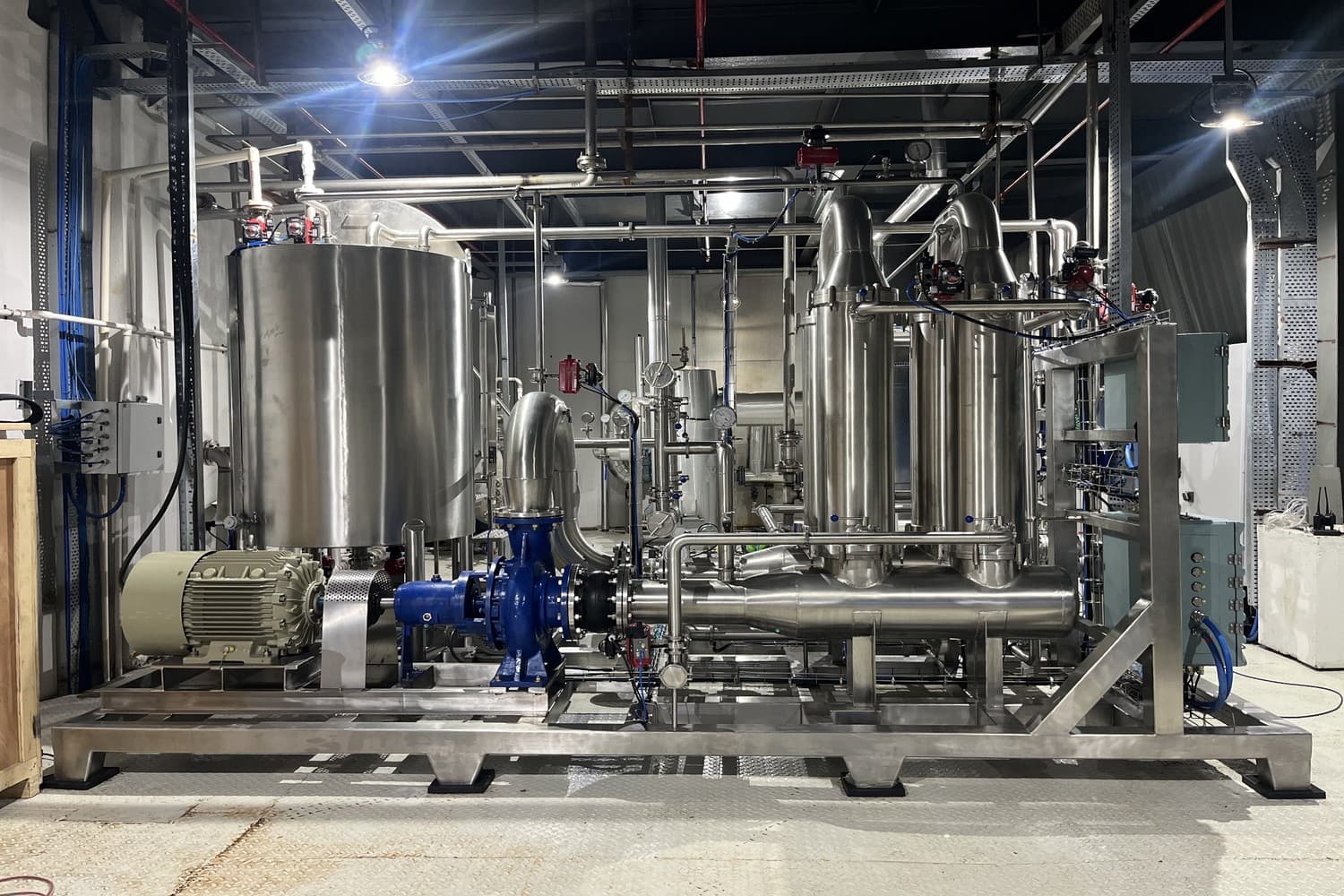 MEMBRANE SYSTEMS / BUILT & COMMISSIONED
THE PROCESS QUESTION
A useful process starts with a clear separation objective.
WHAT WE WORK ON
Explore a few common starting points. The right combination of steps depends on the stream and the result the process needs.
Consider source quality, process demand and the water specification needed at the point of use.
ExploreBuild a treatment discussion around stream variability, contaminants and the site objective.
ExploreMap possible reuse points and the quality each downstream operation requires.
ExploreExplore membrane options by the separation target, feed properties and process conditions.
ExploreReview suspended solids, product clarity and the next stage in the production line.
ExploreUnderstand residual streams and recovery goals when evaluating a ZLD process objective.
ExploreINDUSTRIES
Material composition, production steps and downstream requirements vary by industry. Browse the sectors in the current industry index.
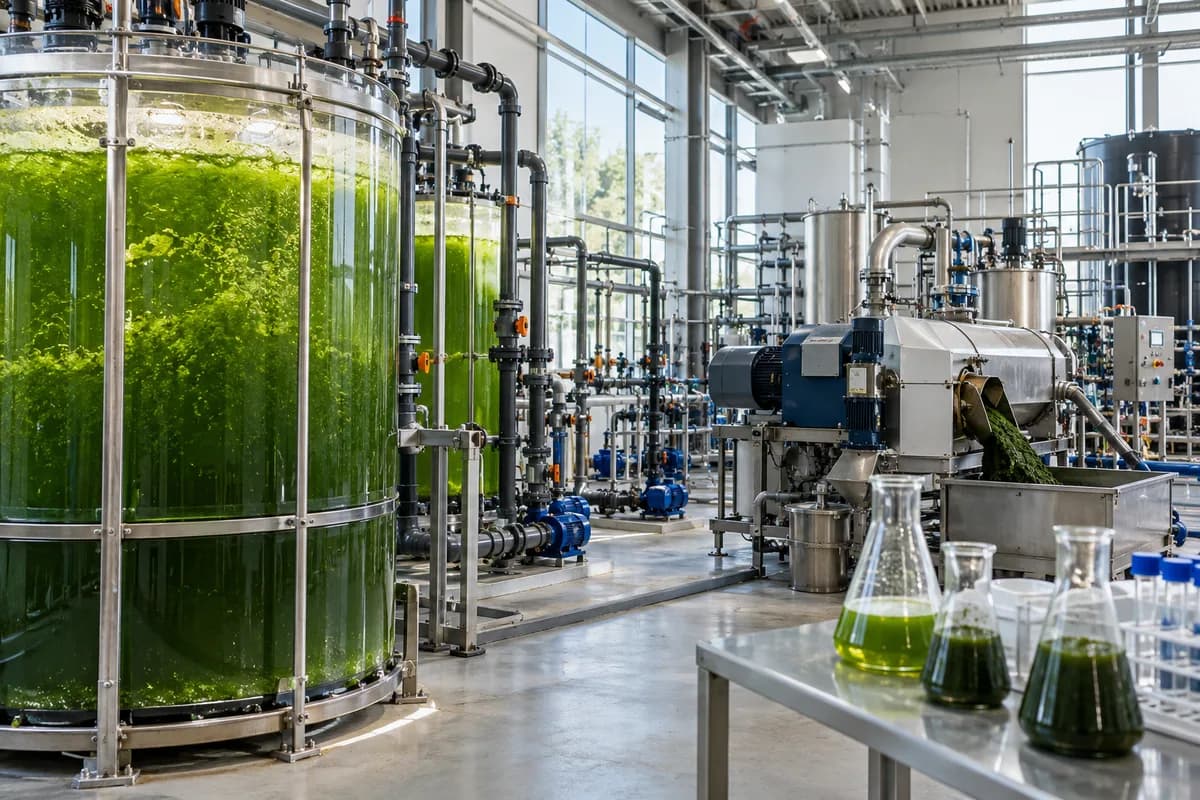
Biomass harvesting and product recovery considerations for microbial processes.
Explore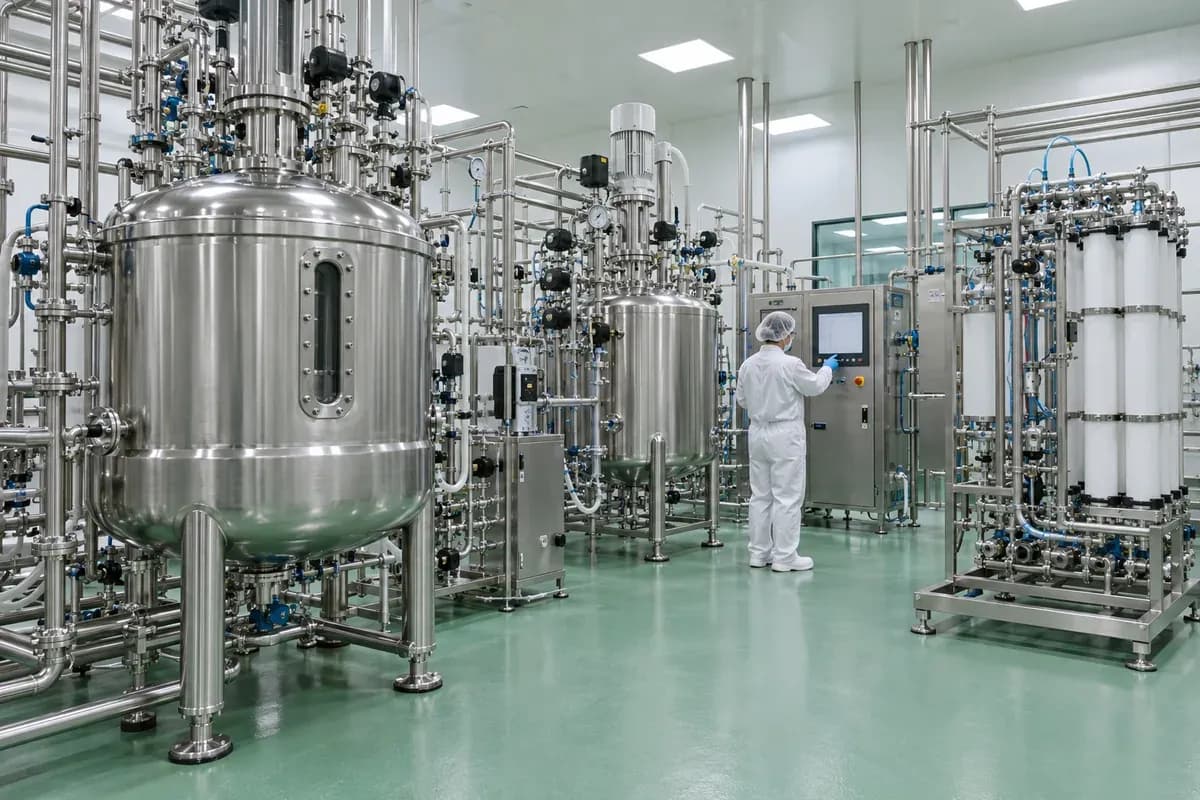
Separation opportunities across upstream and downstream bioprocess operations.
Explore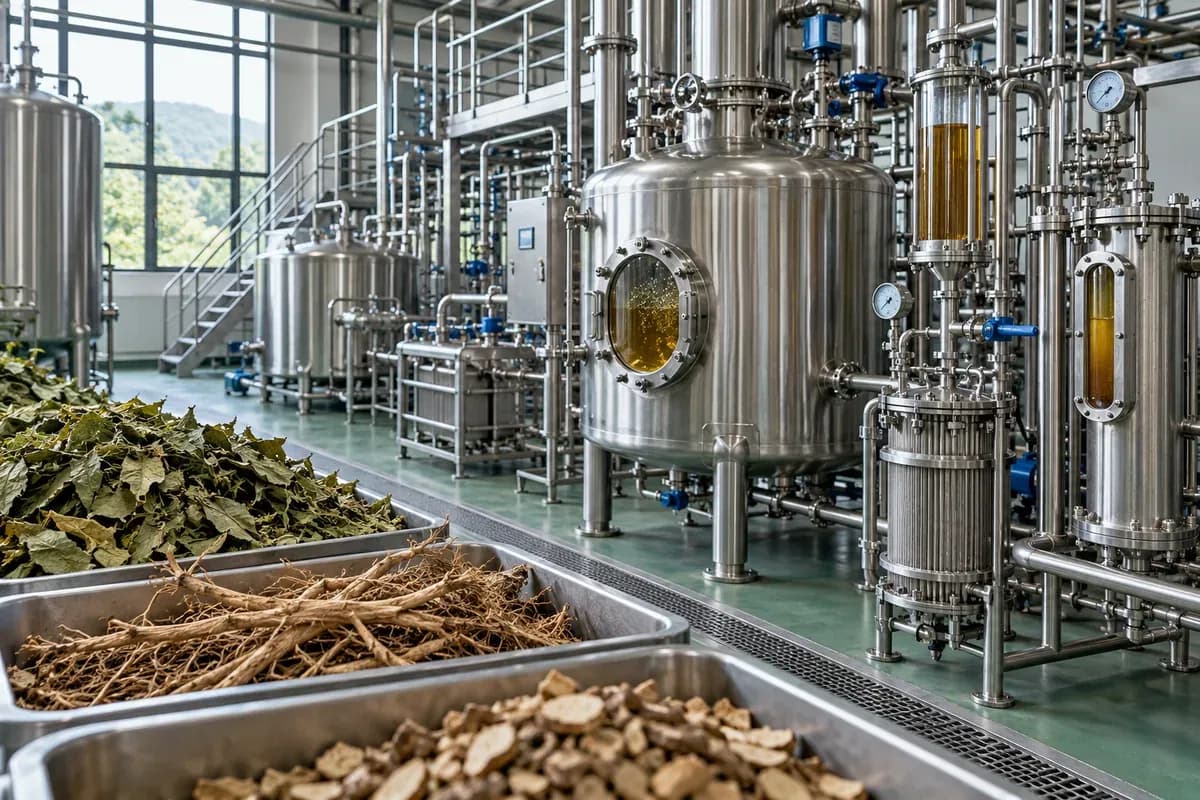
Process options for clarifying, concentrating and fractionating botanical streams.
Explore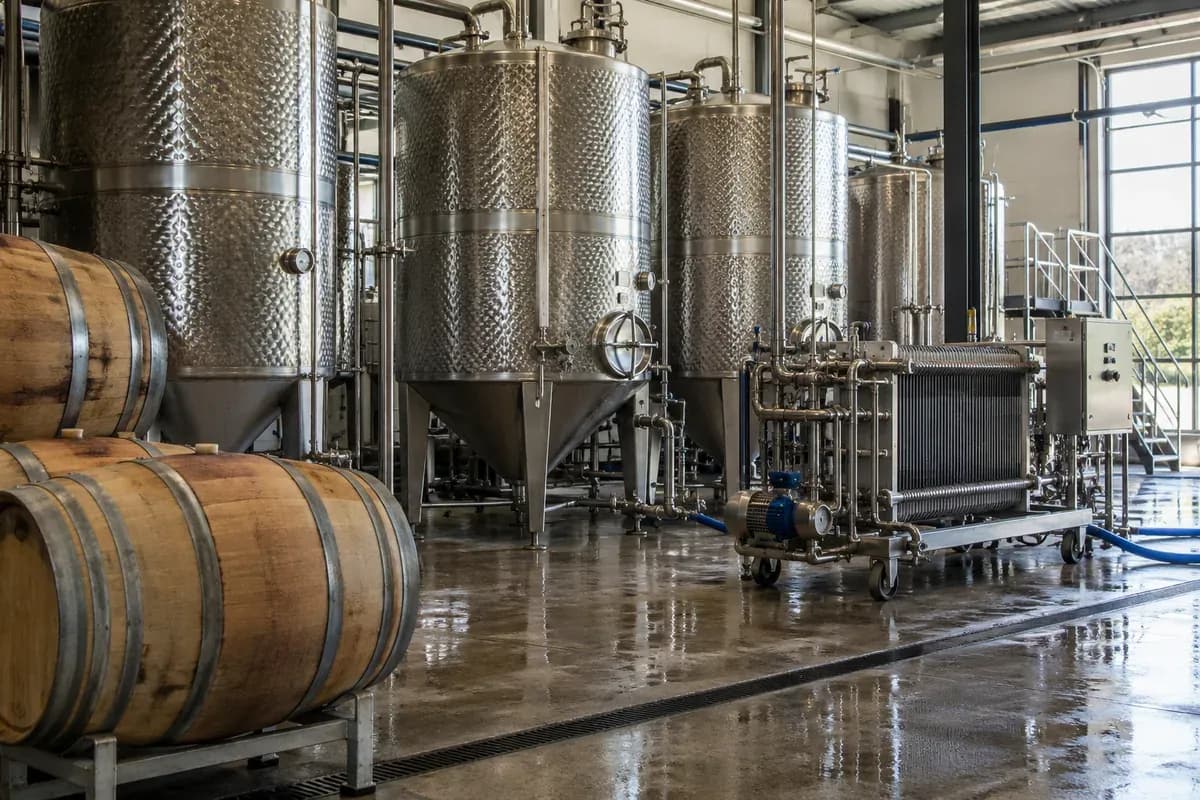
Product clarification and recovery considerations for fermented beverages.
Explore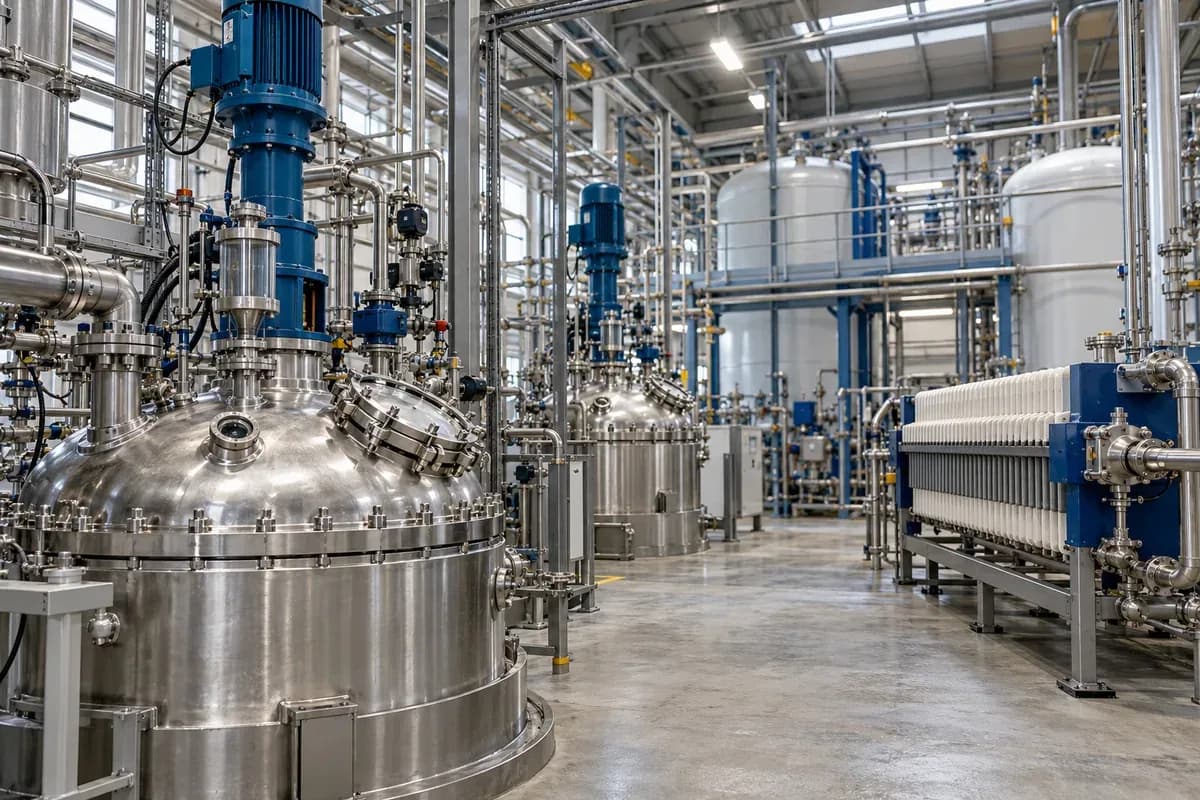
Liquid and solids separation options for varied chemical process streams.
Explore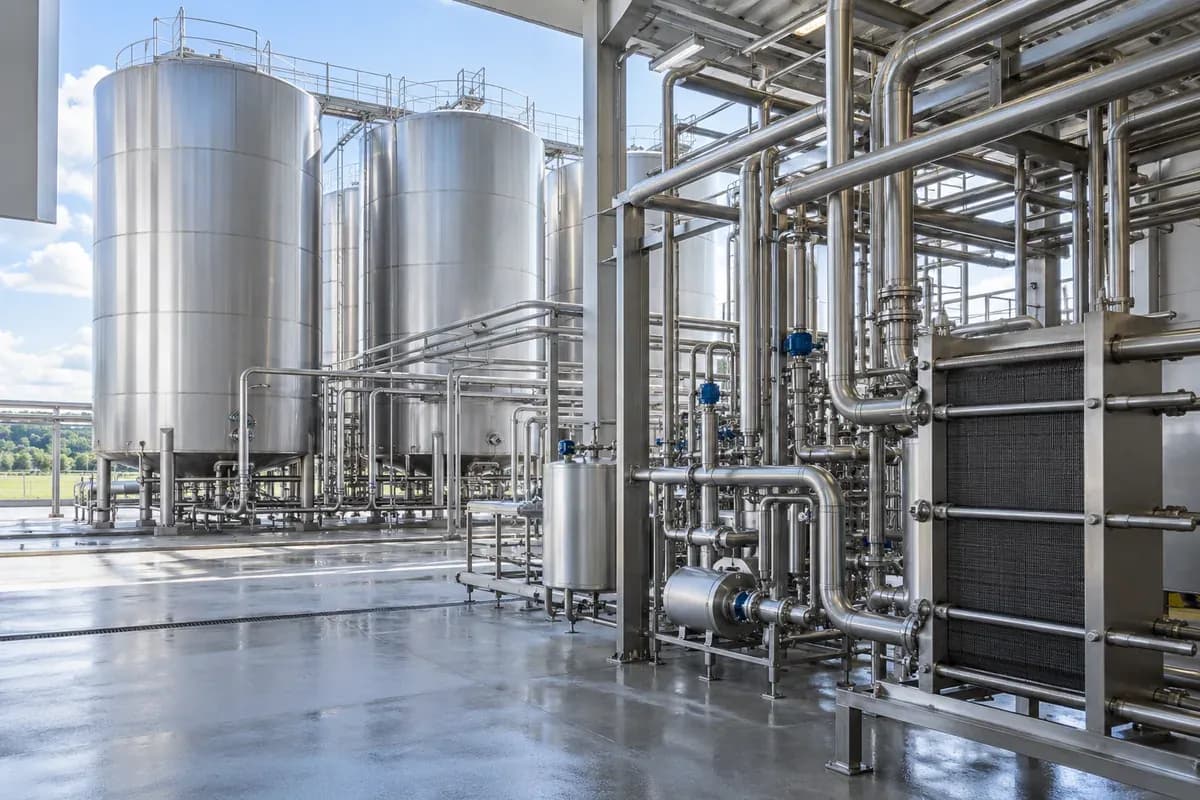
Membrane and filtration processes used across dairy ingredient production.
ExploreA TREATMENT JOURNEY
Many treatment systems combine multiple stages. This illustrative sequence shows common roles; actual stages and order depend on water quality, process requirements and site conditions.
Understand the feed, flow range and variation.
Address conditions that affect downstream steps.
Select a suitable physical, biological or membrane cut.
Check the quality needed by the next process.
Assess reuse routes and residual management.
TECHNOLOGY TOOLKIT
Fluid Sep lists membrane, filtration, primary-treatment, MBR, forward-osmosis and ZLD technologies. Explore the range and review fit against the process stream.
View all technologiesFROM FIRST REVIEW TO OPERATION
An end-to-end project discussion can connect stream assessment, engineering choices, equipment integration and later operating feedback.
Gather process context, flow, water-quality data and the intended outcome.
Compare treatment steps against the feed, operating limits and next stage.
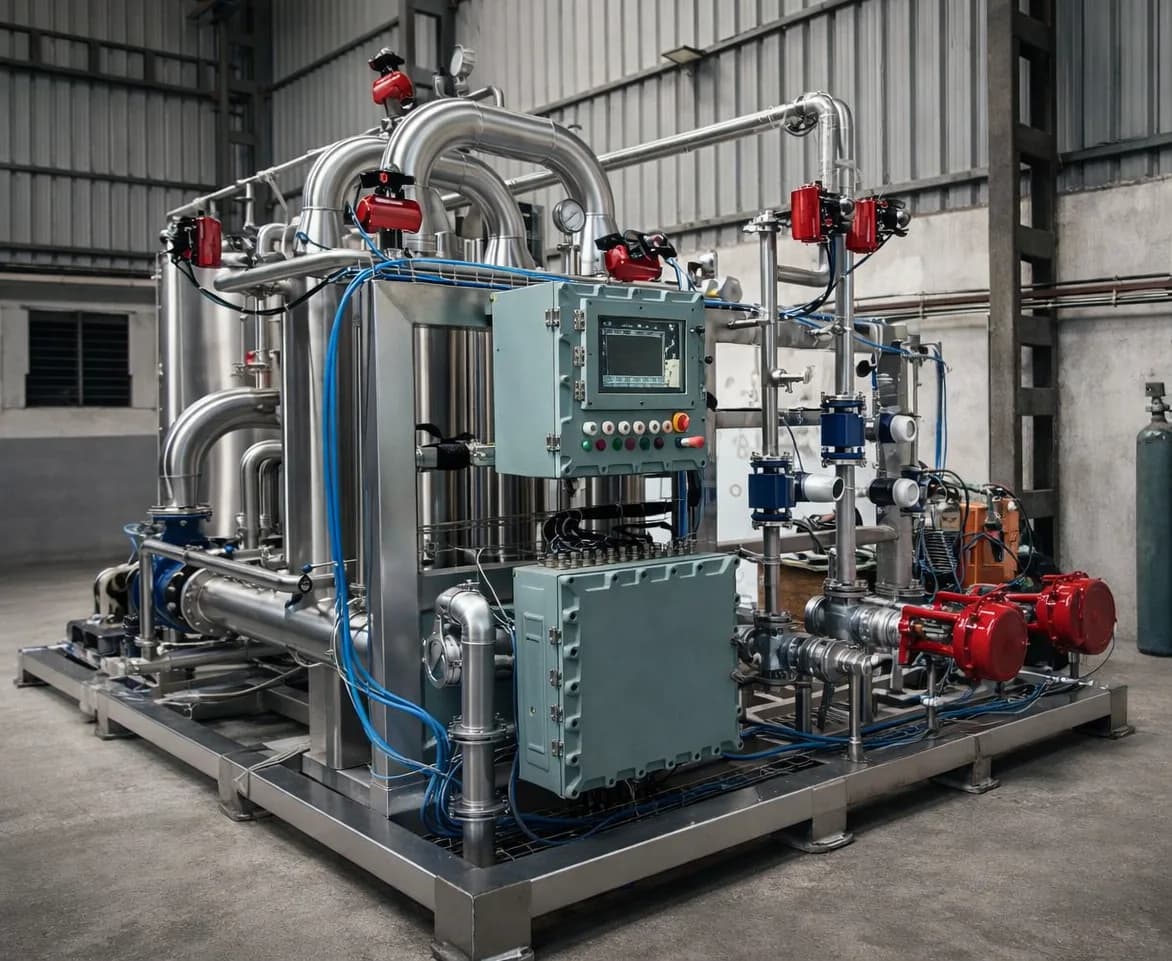
Plan equipment, controls and interfaces around the site requirements.
Use operating observations to guide maintenance and process adjustments.
WATER REUSE AND RECOVERY
Where treatment quality and operating conditions allow, recovered water may have a role in a suitable application. The target quality, residuals and process economics need to be reviewed together.
Explore recovery and ZLDReuse routes are examples for evaluation, not guaranteed outcomes.
KNOWLEDGE CENTER
Browse technical articles, pilot-plant notes, case-study categories and other resources as approved material is added.
PROCESS QUESTIONS
These answers outline the information that shapes a useful technical conversation.
Discuss your processStart with representative feed data, flow and variability, the required product or water quality, and the conditions of the next process step. A technology should be selected only after those requirements are reviewed.
Reuse depends on the treated-water quality and the needs of its proposed application. Cooling, washing, utilities and process use can each have different specifications, so suitability needs a stream-specific review.
A short process description, flow range, available water analysis, current treatment steps, discharge or reuse target, and any space or operating constraints help frame the first conversation.
No. The right treatment train depends on the feed, target, operating conditions, residual streams and site economics. Membrane and ZLD options should be considered only where they fit those constraints.
START WITH THE PROCESS
Share the feed, flow range, objective and operating context. We can start by framing the process question.